UK
UK  EN
EN 


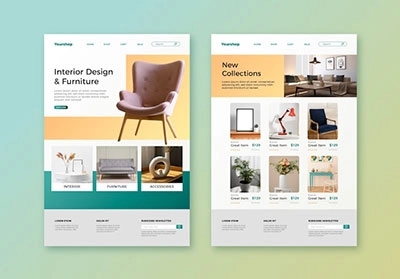
An online catalog is a versatile web resource designed primarily to showcase products, services, or creative portfolios. The key difference between this solution and a traditional e-commerce store is the absence of an online checkout. The interface focuses strictly on inventory display and lead generation, while direct sales or digital downloads (such as design assets or e-books) are treated as optional, add-on features.
How Online Catalogs are Structured
Modern web catalogs cover a wide spectrum of setups, ranging from digital storefronts and classified boards to online libraries, professional portfolios, and interactive price lists. Despite differences in backend structure and technical complexity, their core purpose remains the same—organizing data arrays for quick searchability and a streamlined user experience.
Catalog website development cost—from $250
 DOWNLOAD BRIEFS