UK
UK  EN
EN 



The rapid growth of e-commerce is driven by a fundamental change in consumer behavior. While traditional retail still holds value, the overall marketplace is evolving fast. Online shopping is no longer just an alternative; it has become the preferred choice for the majority of consumers. To capture and maintain market share, businesses must adapt to this digital-first reality.
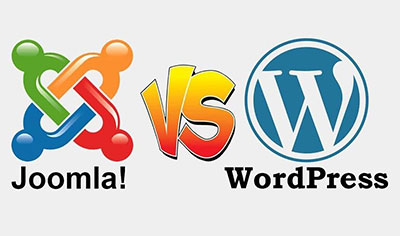
Choosing a platform for a company’s website is a strategic decision that determines the flexibility and stability of the business in the digital space for years to come. When faced with the task of creating a reliable website, people most often compare the two leading open-source, all-purpose CMS platforms on the market WordPress and Joomla.
What to choose, Joomla or WordPress for Your Small Business?
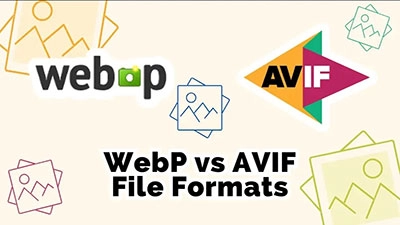
Modern optimization trends and strict Google PageSpeed Insights requirements force developers to massively migrate to "next-generation" image formats — WebP and AVIF. Corporations unanimously claim incredible data compression and faster page loading times. However, if we put aside dry charts and look at real web design practice and the daily life of users, this transition turns into a continuous compromise and technical pain.
Find out: Why WebP and AVIF Are a Pain for Designers and Users

A modern independent website is far more than a mere digital business card; it is a robust tool for sales, communication, and business growth. Unlike social media and SaaS platforms, it belongs entirely to the company and remains unaffected by third-party algorithms or the limitations of outside services. Operating around the clock, it ensures continuous access to information, attracts new customers, automates workflows, and builds long-term brand trust.
 DOWNLOAD BRIEFS